
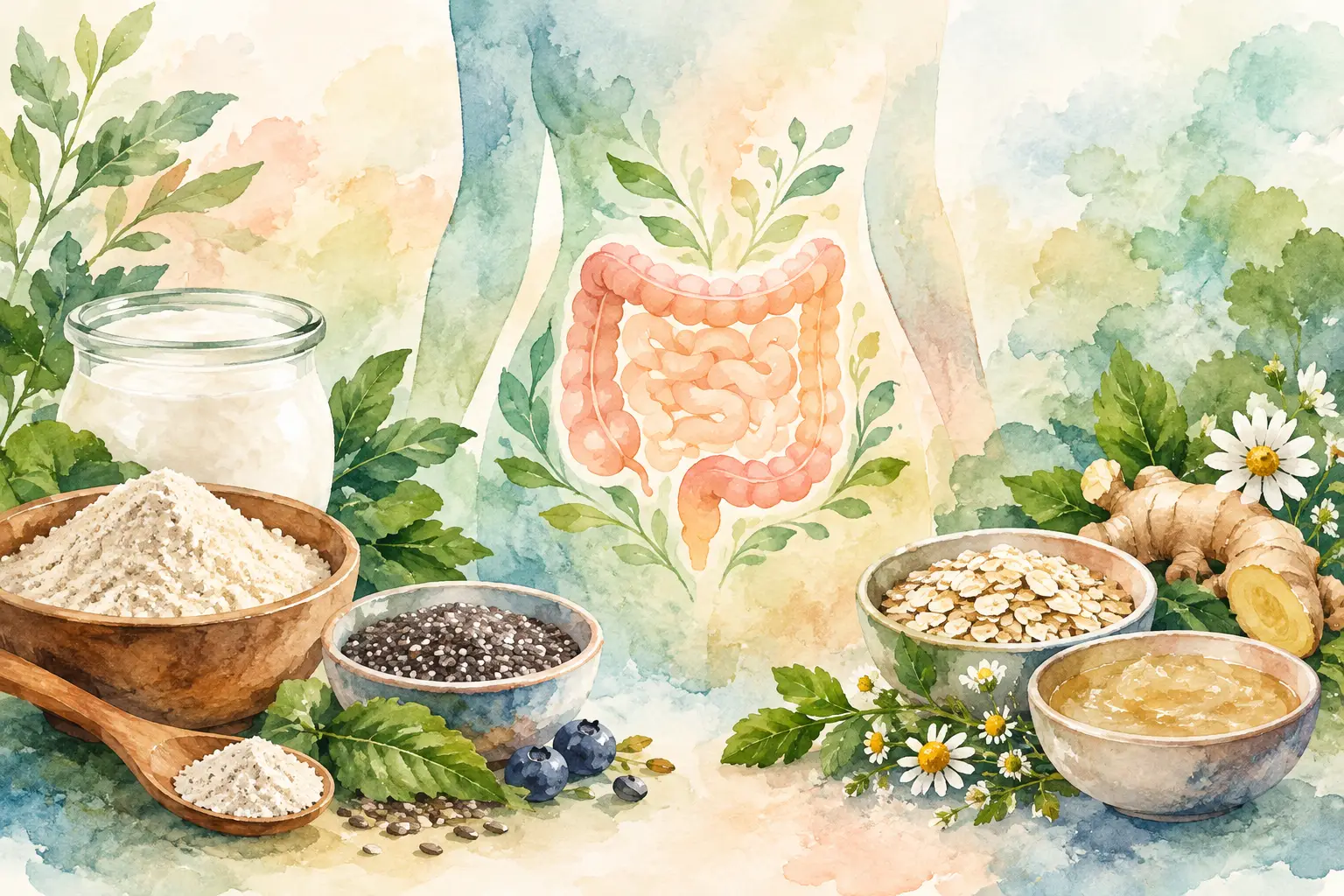
A binder is not a magic eraser for every symptom, every meal, or every exposure. But used thoughtfully, it can be a useful tool for people who feel bloated, backed up, or simply ready to clean up a wellness routine that has gotten off track.
Natural binders for gut support are popular because they offer a simple idea: certain substances can attract and hold onto compounds in the digestive tract, helping move them out through normal elimination. The real win is not taking the strongest product you can find. It is choosing the right kind of support, using it at the right time, and making sure your gut is actually moving.
What Natural Binders for Gut Support Actually Do
Most binders work through adsorption. That means compounds attach to the surface of the binder rather than being absorbed into the binder itself. Think of it as a highly porous material with a lot of surface area. Once it passes through the gut, it leaves through a bowel movement along with whatever it has bound to.
That sounds straightforward, but the details matter. Binders do not selectively target every unwanted substance in the body. They may also interfere with medications, supplements, and nutrients if taken too close together. They are not a substitute for medical care, a balanced diet, hydration, or getting to the root of ongoing digestive symptoms.
Still, a well-chosen binder can make sense as part of a short, intentional gut reset. For many people, it fits best after cleaning up the basics: regular meals, more water, enough fiber, and a consistent bathroom routine.
The Most Common Natural Binders
Activated Charcoal
Activated charcoal is probably the binder most people recognize. Its extremely porous surface gives it a large area for adsorption, which is why it is used in specific medical settings under professional guidance. In everyday wellness, people often use it occasionally for digestive discomfort after a heavy meal or during a short-term cleanse.
Charcoal is powerful, which is exactly why timing matters. It can bind prescription medications and supplements along with other compounds. Keep it well separated from anything you need your body to absorb. If you take medication, especially medication that must be taken on a schedule, get guidance from a qualified clinician before adding charcoal.
It can also contribute to constipation, particularly if your fluid intake and regularity are already poor. If your gut is slow, more binding is not automatically better.
Bentonite Clay
Bentonite clay is a mineral-rich clay that expands when mixed with liquid and has a strong ability to adsorb certain substances. It is commonly used in wellness routines by people looking for a gentler, earthy option than charcoal.
Quality is non-negotiable here. Any clay intended for internal use should be sourced from a reputable manufacturer that tests for contaminants. Clay products can vary dramatically, and this is not the category for bargain-bin shopping.
Like other binders, bentonite clay may affect absorption and may slow bowel movements in some people. Start conservatively, drink enough water, and do not stack it with multiple binding products just because more sounds more effective.
Zeolite
Zeolite is a naturally occurring mineral with a cage-like structure that gives it substantial surface area. In wellness protocols, it is often used to support the body’s normal elimination pathways and is especially popular with people focused on whole-body cellular detox routines.
Not all zeolite products are created equal. Form, particle size, purity, and third-party testing all matter. A carefully sourced product is a smarter choice than a generic powder with vague sourcing. Detox Guy’s Zeolite Detox Pack is designed for people who want a straightforward entry point into a guided detox routine without turning their cabinet into a chemistry lab.
Zeolite can be a practical option, but it still needs the same common-sense rules: follow the label, separate it from medications and essential supplements, and pay attention to how your digestion responds.
Soluble Fiber and Food-Based Support
Fiber is often left out of binder conversations because it does not sound dramatic. That is a mistake. Soluble fiber from foods such as oats, chia, flax, apples, beans, and psyllium can support stool bulk and regular elimination – two things that matter if you are using any binding product.
Fiber works differently from charcoal, clay, and zeolite. It forms a gel-like texture in the gut, helps support regularity, and can influence how certain compounds move through digestion. It is not a high-intensity binder, but it is often the most sustainable foundation.
If you are not used to much fiber, increase gradually. Going from very little fiber to a massive scoop of psyllium overnight can leave you feeling more bloated, not less.
How to Choose the Right Binder
Start with the problem you are actually trying to solve. If you are looking for occasional, short-term support after an off-plan meal, activated charcoal may be the option you are considering. If you want mineral-based support as part of a broader detox routine, a tested zeolite or clay product may fit better. If your biggest issue is inconsistent elimination, fiber, water, and daily movement should come before any aggressive binder protocol.
Your schedule matters too. Someone taking multiple daily medications has more to consider than someone who takes no medications. The same goes for pregnancy, breastfeeding, chronic constipation, kidney disease, digestive disease, or a history of bowel obstruction. In those situations, do not guess. Ask a clinician or pharmacist who understands your health history.
The best protocol is often the least complicated one you can follow consistently. One quality product, adequate water, clean meals, and a realistic timeframe will usually beat a chaotic stack of powders, capsules, and restrictive rules.
A Smarter Way to Use Binders
A binder should support elimination, not replace it. Before you begin, make sure you are having regular bowel movements. If you are already constipated, focus on hydration, food-based fiber, magnesium only if appropriate for you, and movement before adding something that may slow things down further.
Take binders with plenty of water and separate them from medications and supplements. The exact spacing depends on the product and medication, so follow the product directions and ask a pharmacist when needed. Do not take a binder right alongside your multivitamin and assume both are doing their job.
Start low rather than chasing an instant effect. Some people tolerate a small amount well; others notice constipation, nausea, changes in stool, or digestive discomfort. A strong reaction is not proof that a product is working harder. It may be a sign to reduce the dose, pause, or reassess your plan.
It also helps to simplify what you are eating while you use a binder. Prioritize protein, cooked vegetables, fiber-rich foods you tolerate, and steady hydration. Cut back on alcohol, ultra-processed foods, and the constant snacking that leaves your digestive system working around the clock. You do not need a perfect diet. You need a few days of fewer inputs and better habits.
Common Mistakes That Make Gut Support Harder
The biggest mistake is treating binders like a daily crutch. They are generally better used with a purpose and a plan, rather than indefinitely. If bloating, pain, diarrhea, constipation, unexplained weight loss, blood in stool, or severe fatigue keeps showing up, a binder is not the next move. That is a reason to seek medical evaluation.
Another mistake is forgetting the basics. A person can buy the cleanest zeolite on the market and still feel lousy if they are underhydrated, sleeping poorly, eating too little fiber, and ignoring regular bowel movements. Gut support is not one capsule. It is the environment you create every day.
Finally, avoid stacking charcoal, clay, zeolite, and high-dose fiber all at once. That approach makes it hard to know what is helping, what is causing side effects, and whether your body simply needs a slower pace.
Your gut does not need punishment to feel better. It needs a clear plan, better inputs, and enough patience to let simple habits work. Choose your binder with intention, support regular elimination, and let your routine become the part that does the heavy lifting.
Leave a Reply