
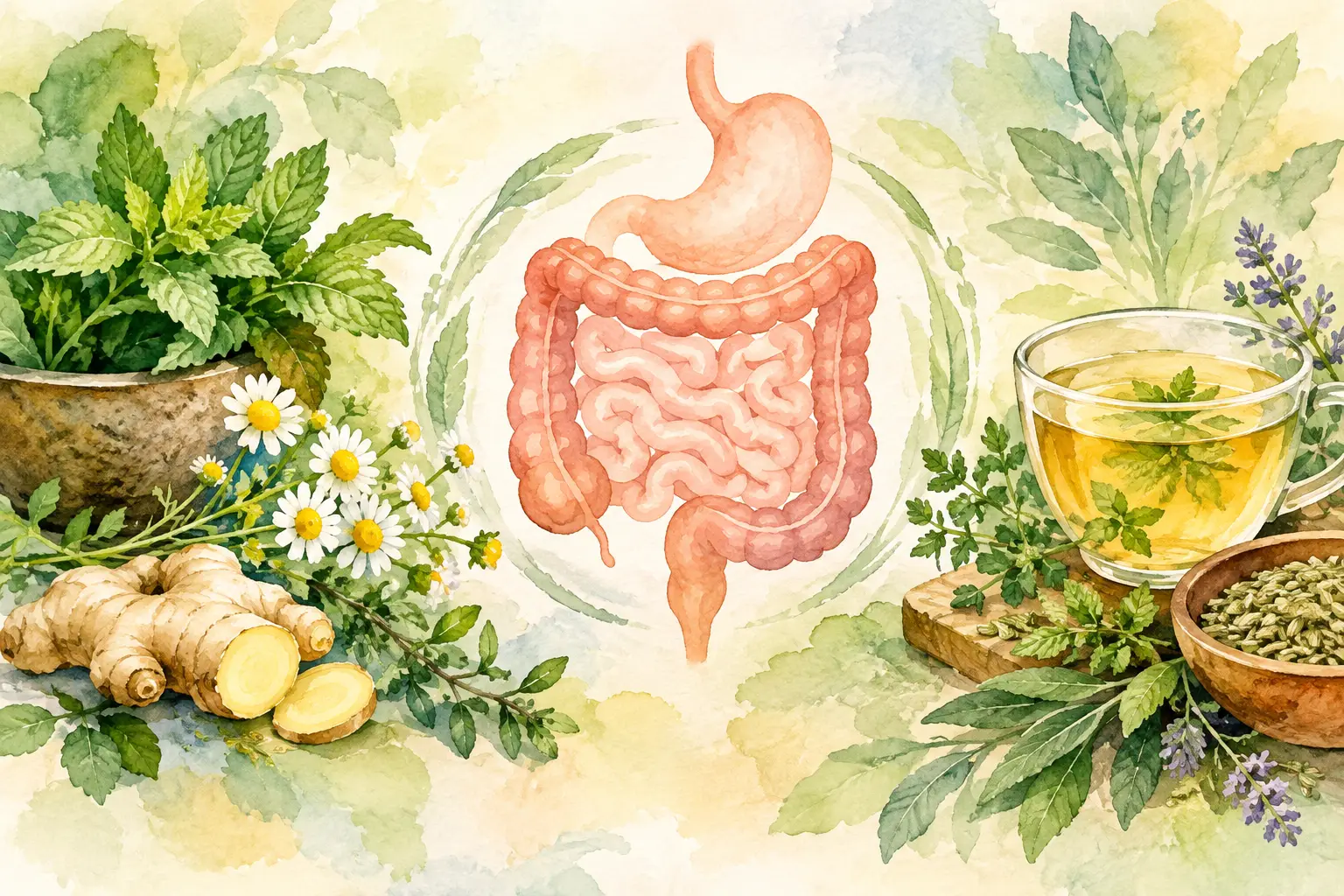
That heavy, puffy, stuck feeling after meals is not always a sign you need a harsher cleanse. Often, your gut needs a simpler reset: less irritation, better hydration, steadier meals, and targeted plant support. The top herbs for digestive reset can help you build that kind of routine without turning your kitchen cabinet into a pharmacy.
A digestive reset is not about starving yourself, chasing dramatic bathroom results, or treating every uncomfortable symptom like “toxins leaving.” It is about creating conditions that support comfortable digestion and regular elimination. Herbs can be useful tools, but the right one depends on what is actually bothering you: gas, occasional nausea, sluggishness, reflux, cramping, or irregularity.
What a digestive reset should actually do
A smart reset makes your routine easier on the gut. For a few days or a couple of weeks, that may mean simplifying heavily processed foods, alcohol, excess sugar, and the meals you already know leave you bloated. It also means eating enough protein and fiber, drinking water, sleeping, and not skipping meals only to eat a huge dinner later.
Herbs are supportive, not a free pass to ignore the basics. A strong herbal gut routine can feel like a real shift when it is paired with consistent food choices and a clear plan. If you have severe pain, blood in your stool, fever, unexplained weight loss, persistent vomiting, or symptoms that keep returning, skip the self-experimenting and speak with a licensed clinician.
7 top herbs for digestive reset support
1. Ginger for nausea, fullness, and slow-feeling digestion
Ginger is the reliable first move when your stomach feels unsettled after a meal. Its warming, spicy character can be especially welcome for occasional nausea, travel-related queasiness, or that uncomfortable feeling that food is just sitting there too long.
Try fresh ginger steeped in hot water, ginger tea, or a simple capsule product as directed on the label. Start modestly. More is not always better, especially if you deal with heartburn, take blood-thinning medication, or have gallbladder concerns. Ginger can be supportive, but it may feel too stimulating for some people with active reflux.
2. Peppermint for gas and post-meal cramping
Peppermint has earned its spot in gut-support routines because it can help relax the digestive tract. That makes it a popular choice for occasional gas, bloating, and mild cramping after food. A warm cup of peppermint tea after dinner is simple, inexpensive, and easy to make part of a reset.
The trade-off is reflux. Peppermint can loosen the valve between the stomach and esophagus in some people, which may worsen heartburn. If your main issue is burning in the chest or throat, ginger or chamomile may be a better starting point than peppermint.
3. Fennel for bloating and a gassy belly
Fennel seed has a mild licorice-like flavor and a long history in digestive teas. It is a practical option when meals leave you feeling inflated, burpy, or uncomfortable from gas. Crushing the seeds lightly before steeping can release more of their aromatic oils.
Fennel works best as a gentle daily habit, not a dramatic intervention. Sip it after a heavier meal, particularly if you are rebuilding your routine after a stretch of takeout, rushed eating, and inconsistent meal times. Anyone with hormone-sensitive health conditions should check with a clinician before using concentrated fennel supplements.
4. Chamomile for a tense, reactive stomach
The gut and nervous system are deeply connected. If your digestion gets worse during a stressful week, chamomile deserves a place in your reset. Its calming effect can help turn a frantic evening routine into a slower one, and that shift matters when stress is feeding stomach discomfort.
Chamomile tea is the easiest format. Drink it after dinner or before bed, not as a substitute for eating. Avoid it if you have an allergy to ragweed or related plants, and check first if you use blood thinners or other medications that may interact with herbal products.
5. Slippery elm for soothing upper-digestive irritation
Slippery elm becomes gel-like when mixed with water. That texture is why people use it for occasional throat, stomach, or digestive irritation. During a reset, it can be useful when your gut feels tender after too much coffee, spicy food, alcohol, or irregular meals.
Think of slippery elm as a soothing support, not a treatment for ongoing reflux, ulcers, or severe pain. Because it may affect how your body absorbs some medications, take it separately from prescriptions and ask a pharmacist if you are unsure about timing.
6. Dandelion root for bitter digestive support
Dandelion root is a classic bitter herb. Bitter flavors can stimulate digestive activity before and after meals, which is why dandelion is often used by people who feel overly full after rich foods. Roasted dandelion root tea has an earthy, coffee-like quality without the caffeine hit.
This herb is not for everyone. If you have gallstones, bile duct issues, kidney disease, or use diuretics, do not add dandelion casually. For the right person, though, it is a grounded way to bring a little more intention to meal time and digestive support.
7. Psyllium husk for regularity and fiber support
Psyllium is technically a plant-based fiber rather than a traditional culinary herb, but it belongs in this conversation because regular elimination is central to any digestive reset. It absorbs water and forms a gel in the gut, helping support stool consistency and daily regularity.
Start low, especially if your current diet is light on fiber. A sudden large dose can create more gas and bloating, which is the opposite of the result you want. Mix it with plenty of water, drink it promptly, and follow with another glass of water. Do not take it right before bed or close to medications.
How to build an herbal digestive reset without overdoing it
The biggest mistake is stacking every herb at once. If you take a bitter blend, a strong laxative tea, multiple capsules, and a high-fiber powder on day one, you will not know what is helping or what is making you feel worse. Your gut does not need chaos disguised as a protocol.
Start with one primary goal. For gas and cramping, peppermint or fennel may make sense. For occasional nausea and heavy-meal discomfort, start with ginger. For stress-linked stomach tension, choose chamomile. For irregularity, focus on gradual fiber support, water, movement, and psyllium if it fits your needs.
Give one change several days before adding another. Keep meals simple enough that you can notice patterns. A protein-forward breakfast, cooked vegetables, fruit, adequate water, and less alcohol can do more for a reset than a complicated cabinet full of powders.
If you want a more structured approach, choose an herbal gut cleanse that clearly lists its ingredients and directions instead of relying on mystery “proprietary” blends. Detox Guy’s Para-Shield is designed for people who want an effective herbal gut cleanse in a straightforward protocol format. Even then, read the label, respect the serving size, and pause if your body is telling you the routine is not a fit.
When herbs are not the answer
A digestive reset should leave you feeling more stable, not depleted. Frequent diarrhea, constipation lasting more than a few weeks, waking at night with pain, persistent reflux, black stools, or sudden food intolerance deserve medical attention. Herbs can support wellness, but they cannot diagnose the reason symptoms are happening.
Pregnant or breastfeeding people, children, and anyone managing a chronic condition or taking prescription medication should get personalized guidance before using concentrated herbal formulas. “Natural” still has real effects in the body.
Your next move can be simple: choose the one symptom you want to improve, pick one gentle herb that fits it, and give your body a calmer week around food. Consistency beats intensity every time.
Leave a Reply